How to Choose a Gemstone Ring: Colour, Cut and Setting Explained
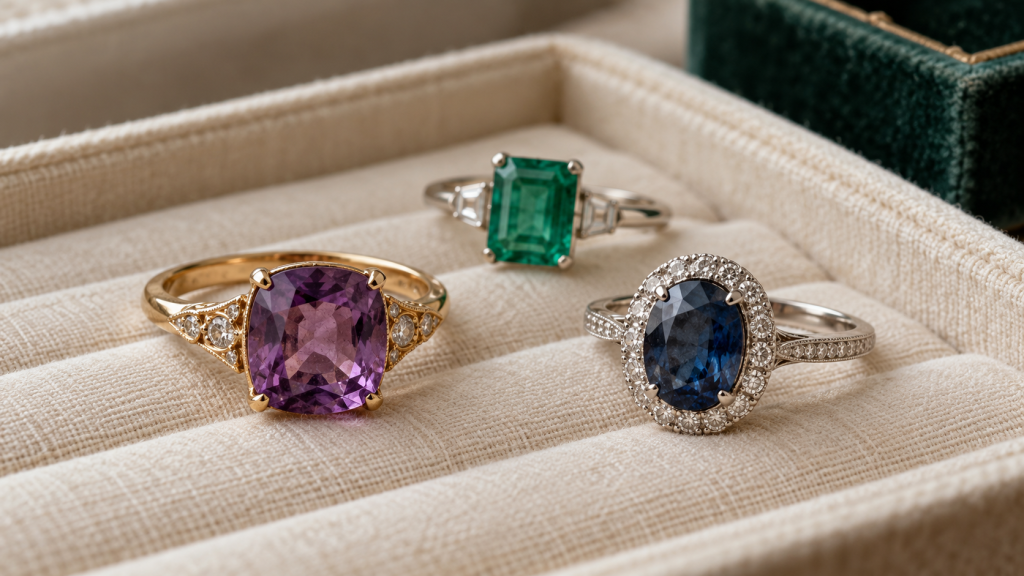
A gemstone ring often catches your attention before you know much about it. Perhaps it is the purple of an amethyst, a deep blue sapphire or the way diamonds frame a coloured centre stone.…
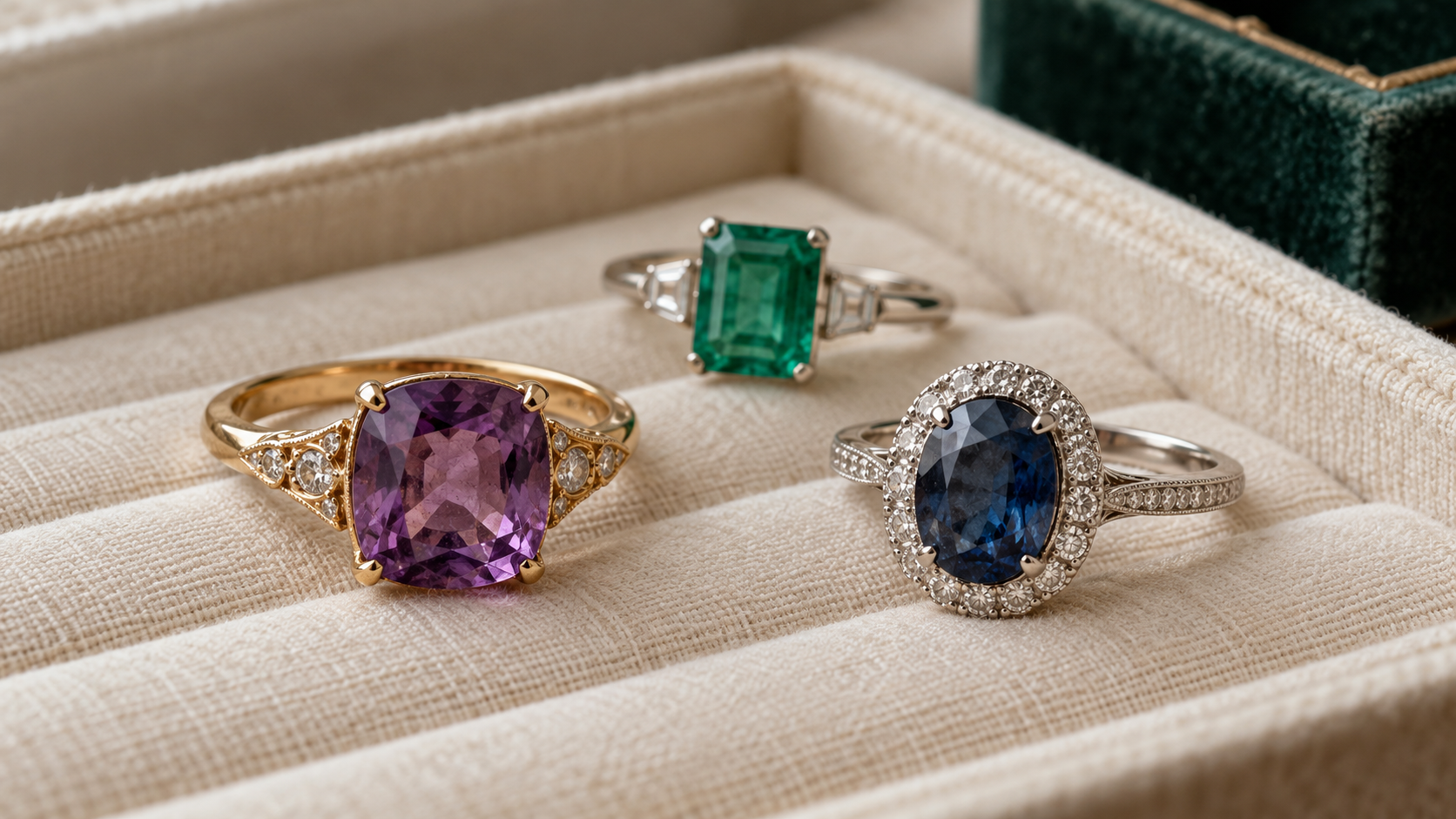
A gemstone ring often catches your attention before you know much about it. Perhaps it is the purple of an amethyst, a deep blue sapphire or the way diamonds frame a coloured centre stone.
That first attraction matters. But before choosing, take a closer look at the details that photographs and carat weights cannot explain on their own.
Colour, cut and setting work together. Understanding their relationship helps you compare rings with more confidence—and find one you will enjoy wearing.
Begin with how you want to wear the ring
Think about whether you want an everyday piece, an occasional statement ring or something to mark a particular moment.
A large gemstone can be wonderful for an evening out, while a lower setting may feel more comfortable during your normal routine. Try to judge the ring as something you will wear, rather than simply something you admire in a display.
Four things to consider
Colour
Look for a shade you enjoy in ordinary daylight as well as indoor lighting.
Cut
Notice how the facets show the stone’s colour and how it looks as you turn your hand.
Setting
Consider the metal, the height of the stone and how its edges are supported.
Comfort
Check the fit, width and weight, including whether the ring turns or catches on clothing.
Understand gemstone colour before comparing size
Two stones described as blue sapphire can look quite different. One may appear lighter and brighter; another may have a deeper, more subdued colour.
Three terms help explain those differences:
- Hue: the main colour you see, including any secondary colour.
- Tone: how light or dark the stone appears.
- Saturation: the strength or intensity of its colour.
A deeper colour is not automatically the better choice for every person. Compare several examples and notice which you prefer on your own hand. These distinctions are also useful when asking a jeweller to describe a stone more precisely.
Ask to see the ring in more than one lighting condition. A photograph taken under bright display lighting may give a different impression from the ring beside a window.
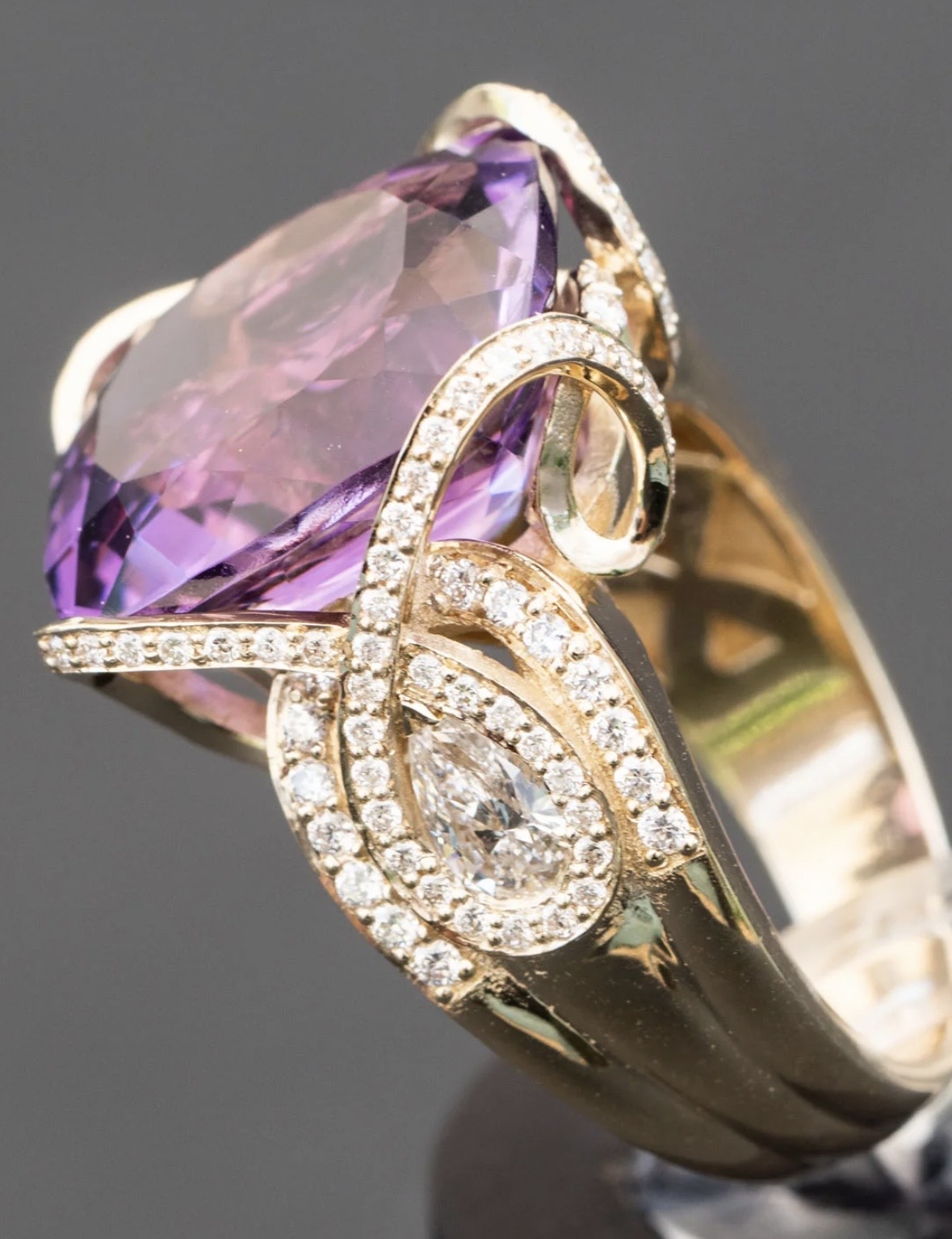
Featured piece: the Lili amethyst ring
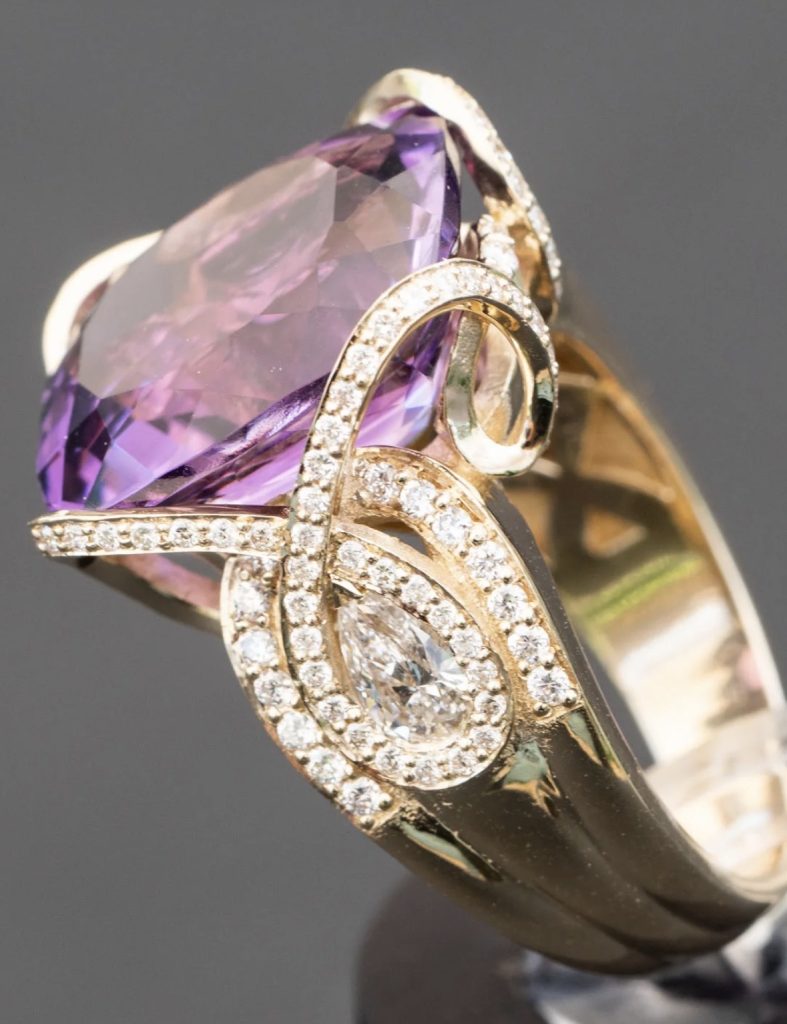
The Lili amethyst ring centres on a 12.00-carat cushion mixed-cut natural amethyst, with 1.25 carats of natural diamonds.
It is a useful example of a ring where colour leads the design. The purple centre stone provides the main visual interest, while the diamond detailing adds contrast around it.
The listing gives the amethyst’s measurements as 16.03 × 14.25 × 8.89mm. Those dimensions help you understand its proportions more clearly than carat weight alone.
Look beyond the outline when judging cut
Shape and cutting style describe different things.
The shape is the outline you recognise: oval, round, pear or cushion, for example. Cutting style describes the arrangement of facets across the stone.
When viewing a faceted gemstone, move it gently and look across its whole surface. Does the colour remain appealing? Do some areas appear persistently dark? Is there a noticeably pale or see-through area in the centre?
These observations are useful questions to discuss with the jeweller. Coloured-stone cutting involves balancing colour, proportions and the characteristics of the original material; there is no single ideal arrangement for every gemstone.
Shape and cutting terms at a glance
Shape and cutting terms at a glance
| Term | What it describes | What to consider |
|---|---|---|
| Oval | An elongated, curved outline | How its length and width sit on your finger |
| Cushion | A square or rectangular outline with rounded corners | Whether you prefer softer or more elongated proportions |
| Pear | A rounded end tapering to a point | The orientation you prefer and protection around the tip |
| Emerald cut | A rectangular shape with cut corners, usually with step facets | The appearance of colour and clarity through its broader facets |
| Mixed cut | A combination of cutting styles | How the different facets work together in the finished stone |
An emerald-cut sapphire is still a sapphire. “Emerald cut” describes its shape and cutting style, rather than its gemstone identity.
An emerald-cut sapphire is still a sapphire. “Emerald cut” describes its shape and cutting style, rather than its gemstone identity.
Choose a setting that suits the stone and your routine
The setting affects the ring’s appearance, but it also holds and supports the gemstone.
Claws leave much of the stone visible. A bezel surrounds its edge with metal. A halo frames the centre with smaller stones, while a three-stone arrangement creates a different balance across the finger.
Look at the ring from the side as well as from above. A design that appears compact in a product photograph may stand quite high above the hand.
Protective settings can help shield vulnerable edges, but no setting makes a gemstone immune to damage. Ask how the particular stone and design suit your intended wear.
Choose the ring you enjoy looking at—and the setting you will feel comfortable wearing.
Metal colour is another personal choice. Compare the gemstone against yellow gold, white gold or platinum where possible. Notice how the complete combination looks on your hand rather than choosing the metal separately.
Read carat weight alongside measurements
Carat is a measure of weight, not visible size.
Two gemstones of equal weight can have different dimensions because of their material and proportions. A deeper stone may carry more weight below the setting without appearing much larger from above.
Before comparing rings, check:
- The centre stone’s individual carat weight.
- Its length and width in millimetres.
- Whether a stated weight refers to one stone or several.
- The separate weight of any surrounding diamonds.
A description of a 12.00-carat amethyst with 1.25 carats of diamonds does not mean the centre stone weighs 13.25 carats.
Ask about treatments and accompanying reports
“Natural” and “untreated” are different descriptions. A naturally formed gemstone may have undergone treatment.
Ask what is known about the stone, which treatments are disclosed and whether those details affect its care. For sapphire, GIA specifically advises buyers to ask about treatment. Laboratory reports can help establish identity and document detectable treatments within the scope of the examination.
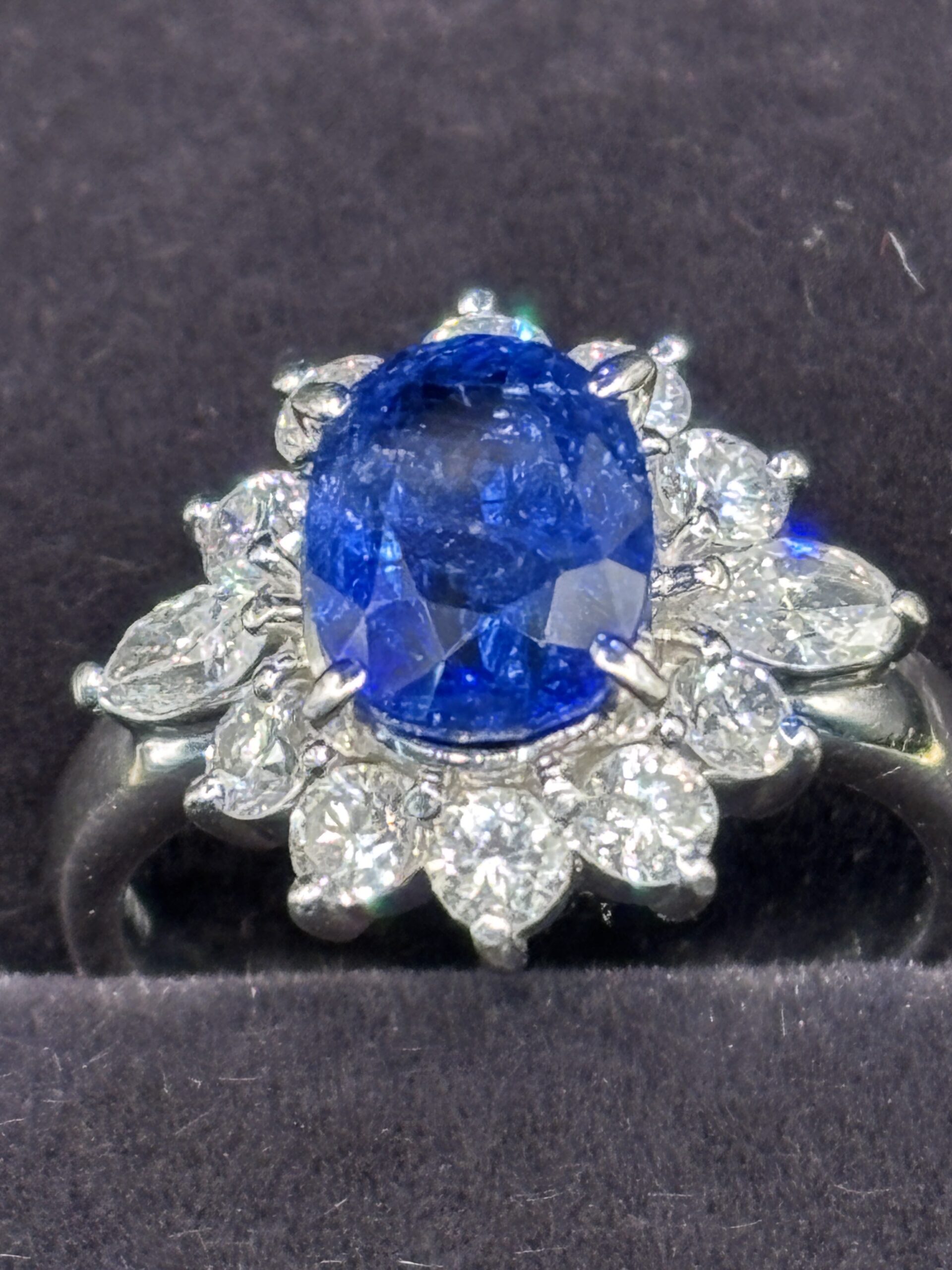
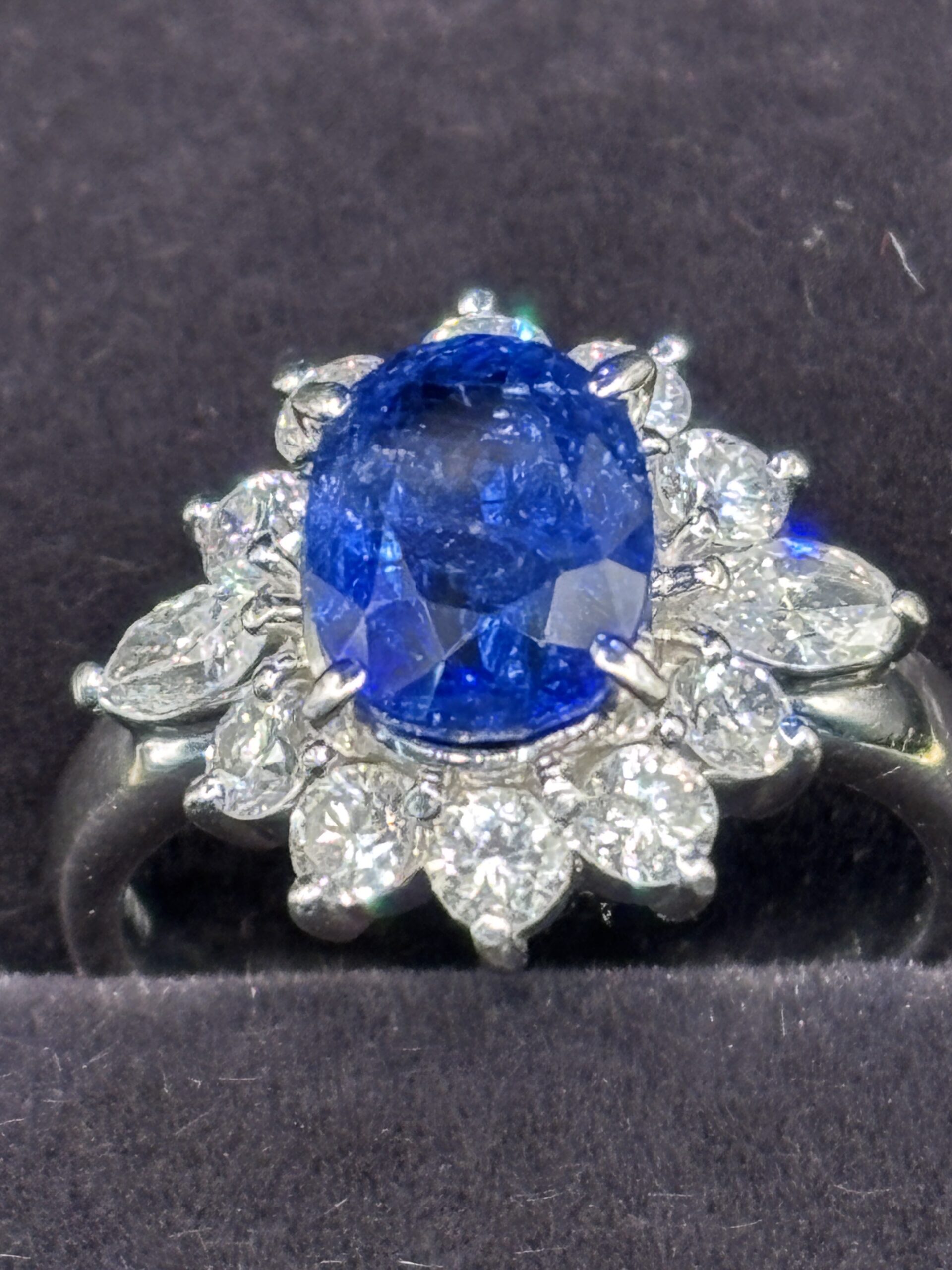
Featured piece: a pre-owned sapphire and diamond ring
The 2.61-carat sapphire and diamond ring is listed with 1.10 carats of natural diamonds and a platinum band.
Mayo Antiques describes it as pre-owned and lists GIA report number 7388712404. Request the report and review its exact wording alongside the product description before purchasing.
This is also a useful reminder that a collection can include both pre-owned pieces and rings made to order. Check which applies to the ring you are considering.
View the sapphire and diamond ring →
Check fit and condition before deciding
Try the ring on where possible. Notice whether it sits comfortably between neighbouring fingers and whether its weight causes it to turn.
Ask about resizing before assuming it can be altered. The design, stone arrangement and required size change all need consideration.
For a pre-owned ring, request clear photographs of the claws, shoulders and underside. Ask whether any repairs or maintenance are recommended.
For a made-to-order piece, confirm the specifications, sizing process and production time before placing the order.
Find a ring that feels like yours
Start with colour, then look closely at cut, setting and comfort. Give the practical details as much attention as the first impression.
Explore Mayo Antiques’ jewellery collection or contact the team to discuss a particular ring, its specifications and the information available.
Selected from the collection
Jewellery
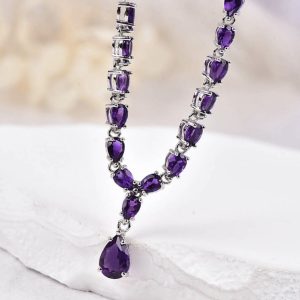
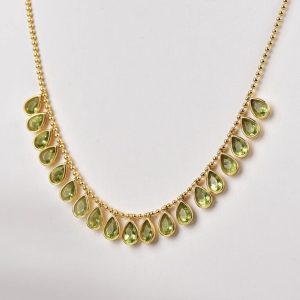
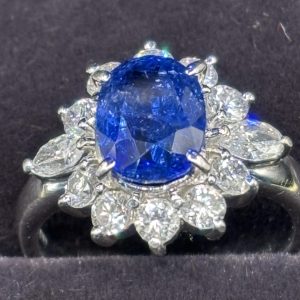
2.61Carat Unheated Burma Sapphire & 1.10carats of Natural Diamonds. Stock#454541
Why Mayo Antiques
Collected with knowledge. Chosen with confidence.
Discover characterful pieces with clear information and personal guidance from our Castlebar showroom.