
How to Clean and Care for a Persian Rug at Home
How to clean a Persian rug safely: vacuum with low suction, handle spills correctly and protect delicate wool and silk fibres from moisture and damage.
Knowing how to clean a Persian rug at home starts with gentle, low-suction care. A Persian rug can be one of the most enduring pieces in your home, but dust, everyday foot traffic, sunlight and accidental spills can gradually affect its fibres and colours.
Fortunately, most routine Persian rug care is straightforward. The important part is knowing which cleaning methods are safe and when to leave the work to a specialist.
How to Clean a Persian Rug at Home
Before deciding how to clean a Persian rug, check its materials, age and condition. For routine cleaning, you will need a vacuum with adjustable suction and a clean, soft cloth.
1. Vacuum Gently
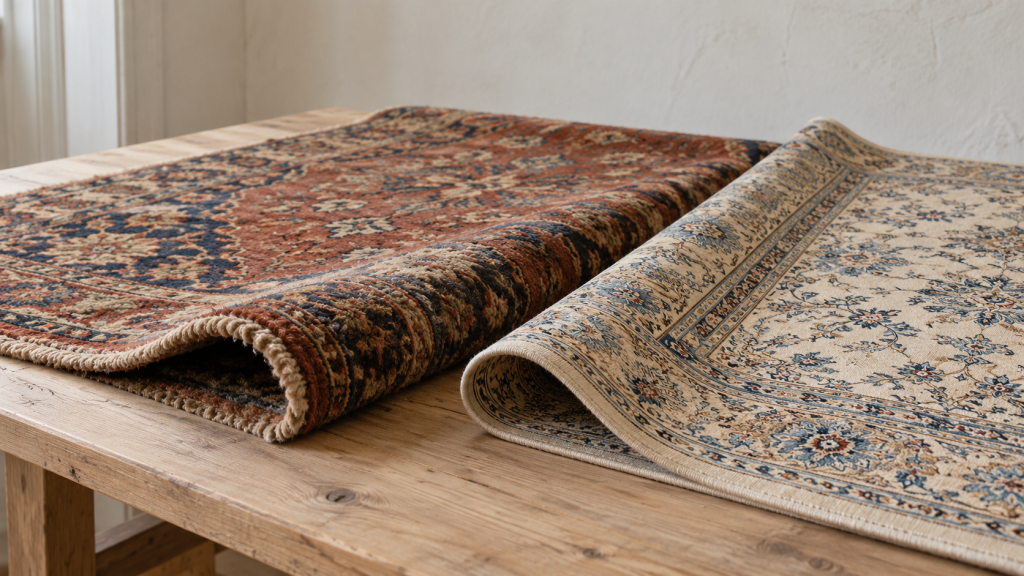
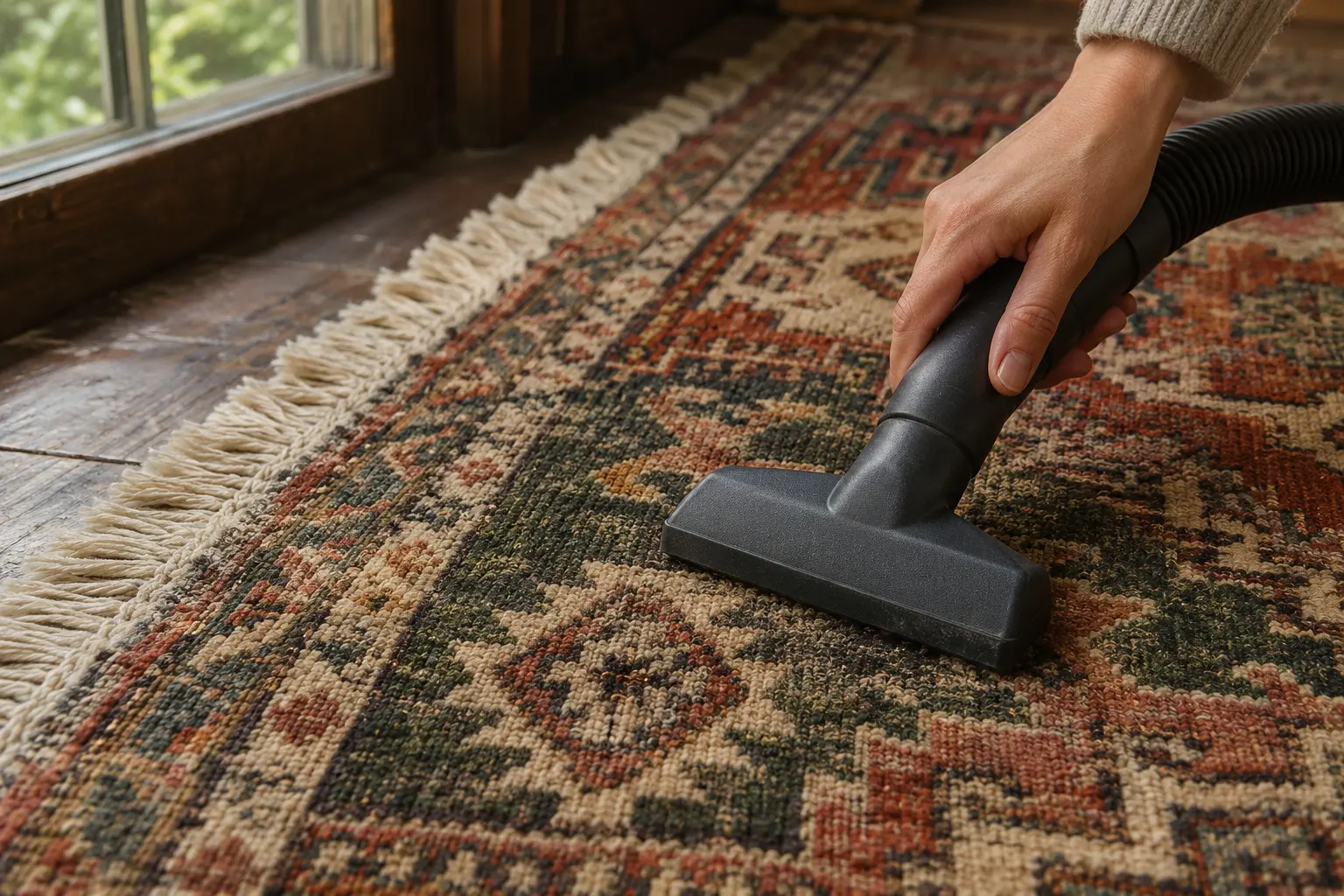
Use a suction-only attachment with the rotating brush switched off. Move slowly in the direction of the pile rather than pushing against it.
To identify the pile direction, run your hand across the rug. One direction will usually feel smoother.
Avoid vacuuming over the fringes. On a hand-knotted rug, these are often the exposed ends of the foundation threads, not simply decorative tassels.
2. Clean Beneath the Rug
Dirt doesn’t remain on the surface. Fine particles gradually settle into the foundation, where repeated pressure can contribute to fibre wear.
Periodically lift the rug and vacuum the floor beneath it. If the rug is structurally sound, gently vacuum the reverse using low suction. Avoid cleaning the reverse of fragile antique rugs without specialist advice.
If you notice loose knots, weakened areas or damaged backing, stop cleaning and seek specialist advice.
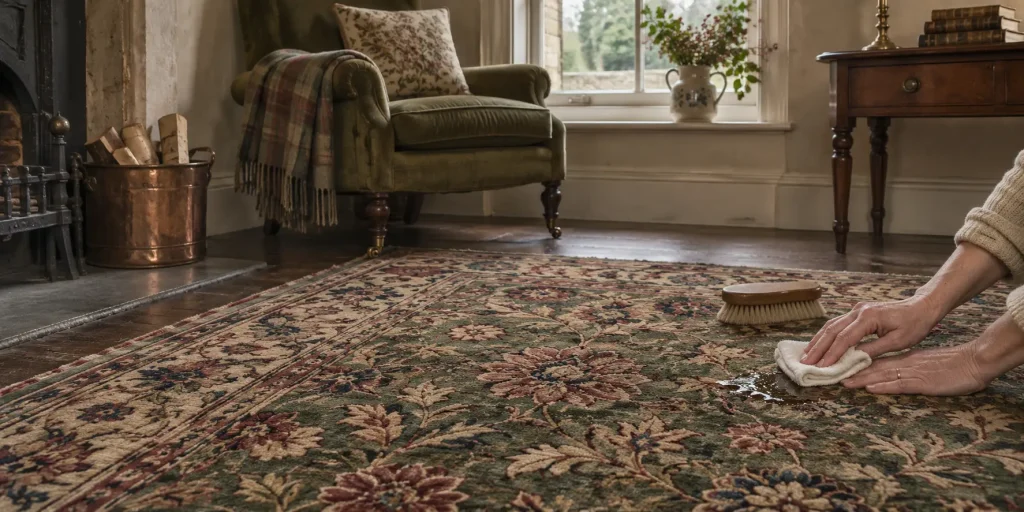
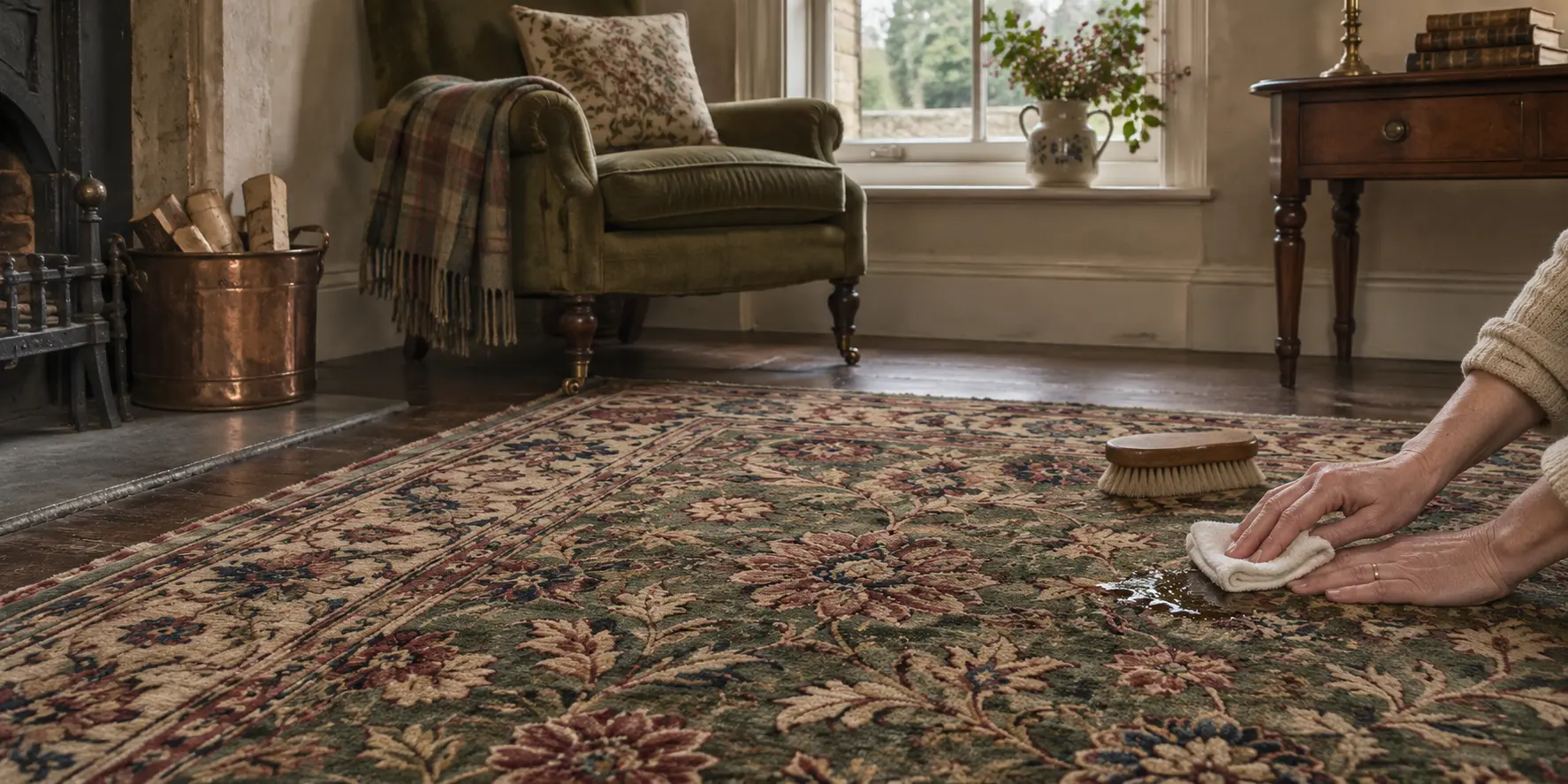
3. Deal With Spills Immediately
If tea, coffee or another liquid spills onto your rug:
- Absorb as much liquid as possible using a clean, white cloth.
- Blot gently without scrubbing or rubbing.
- Work from the outside of the spill towards the centre.
- Avoid adding cleaning products or water until the rug’s fibres and dye stability have been assessed.
If the spill reaches the foundation, involves coloured liquids or causes dye transfer, contact a specialist rug cleaner. Moisture trapped within the foundation can remain even when the surface feels dry.
Can You Wash a Persian Rug With Water?
A complete home wash is generally not recommended for a valuable hand-knotted Persian rug.
Many Persian rugs combine a wool pile with a cotton foundation. Others incorporate silk, delicate dyes or older repairs. Excessive moisture can cause colours to bleed, fibres to distort or the foundation to remain damp.
The safest cleaning method depends on the rug’s construction, materials, condition and dye stability.
What Should You Avoid When Cleaning a Persian Rug?
Some household cleaning methods can cause more damage than the original stain.
Avoid these common mistakes:
- Steam cleaning: Heat and moisture may affect dyes and the rug’s structure.
- Carpet shampoos: Products designed for fitted carpets may leave residues or damage delicate fibres.
- Scrubbing: Aggressive brushing can disturb the pile and spread stains.
- Bleach or strong stain removers: These may permanently alter the original colours.
- Soaking: Water trapped within the foundation can lead to distortion and deterioration.
For an older or valuable rug, never assume that a product labelled suitable for wool is safe for the entire piece.
How Can You Keep a Persian Rug Looking Its Best?
Cleaning is only one part of maintaining a handmade rug.
- Rotate the rug periodically. Turning it approximately every six to twelve months, where practical, helps distribute foot traffic and light exposure.
- Limit direct sunlight. Prolonged exposure can gradually fade colours and weaken fibres. Use curtains or blinds in particularly bright rooms.
- Use a suitable underlay. A non-adhesive, compatible rug underlay helps minimise slipping and friction against hard flooring.
- Watch for moth damage. Check beneath furniture and along the edges for small holes, loose fibres or signs of insects.
In Ireland’s often damp climate, it is also worth checking that the floor beneath your rug remains dry and well ventilated.
When Does a Persian Rug Need Professional Cleaning?
Consider professional attention when the rug has embedded dirt, persistent odours, significant staining, dye movement or visible damage.
A specialist can assess the fibres, dyes and foundation before recommending treatment. Professional advice is especially important when you are unsure how to clean a Persian rug with delicate fibres, unstable dyes, older repairs or silk.
There is no universal cleaning interval. A rug in a busy hallway will generally need attention sooner than one in a lightly used sitting room.
Caring for a Rug Worth Keeping
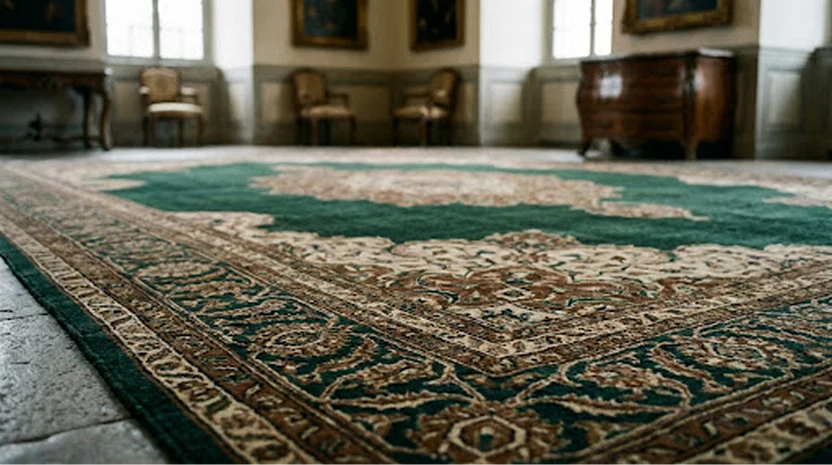
A well-chosen Persian rug deserves care that respects its craftsmanship. Gentle vacuuming, prompt attention to spills and protection from unnecessary wear can help preserve its character for years.
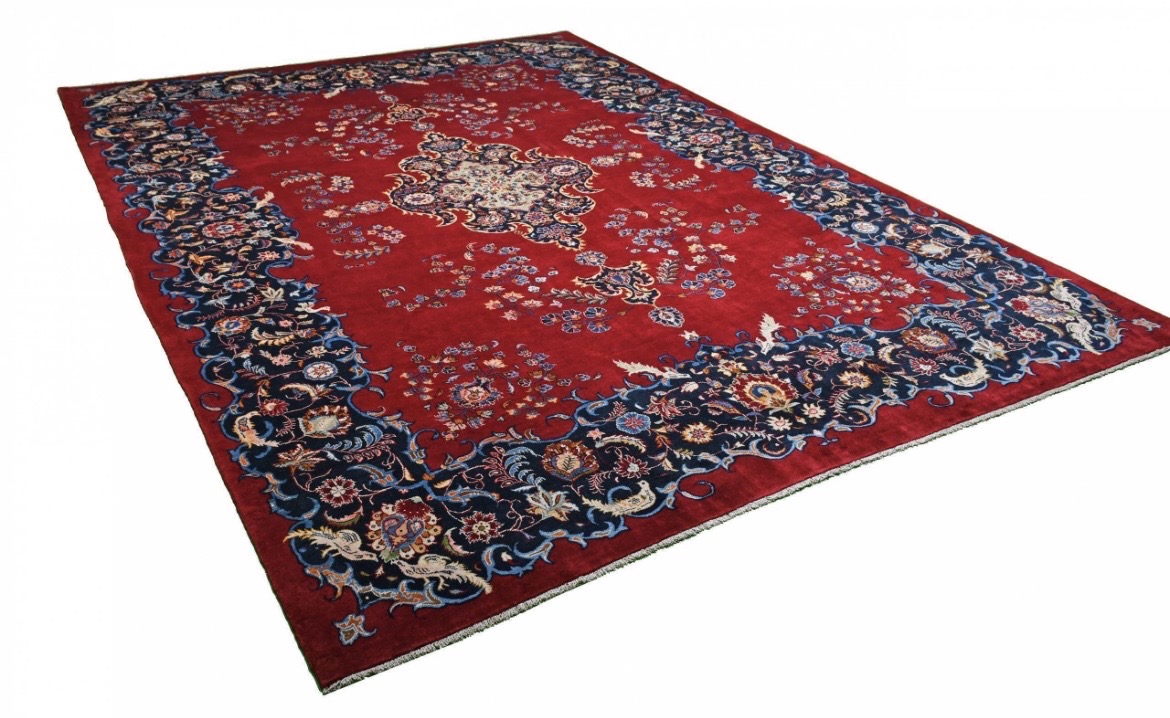
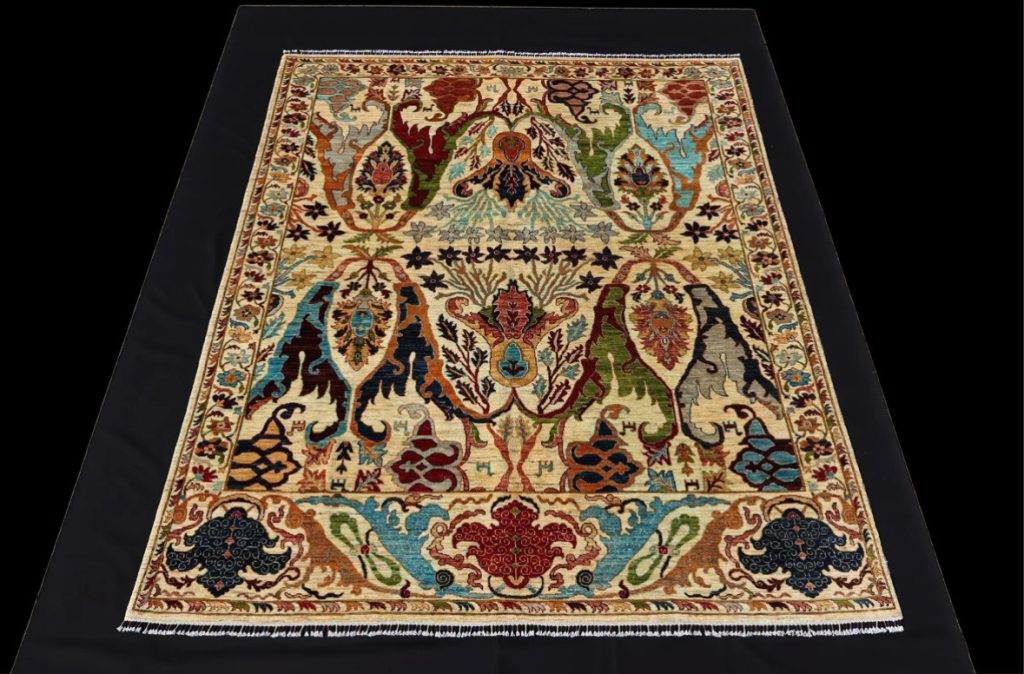
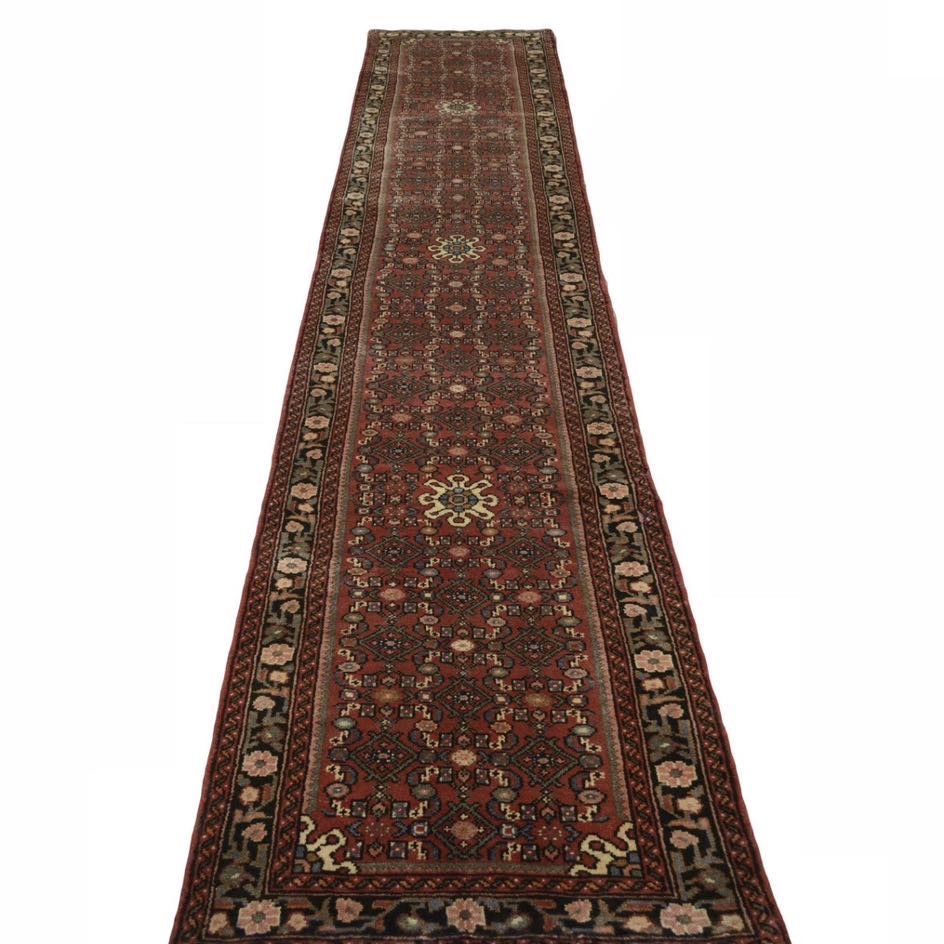
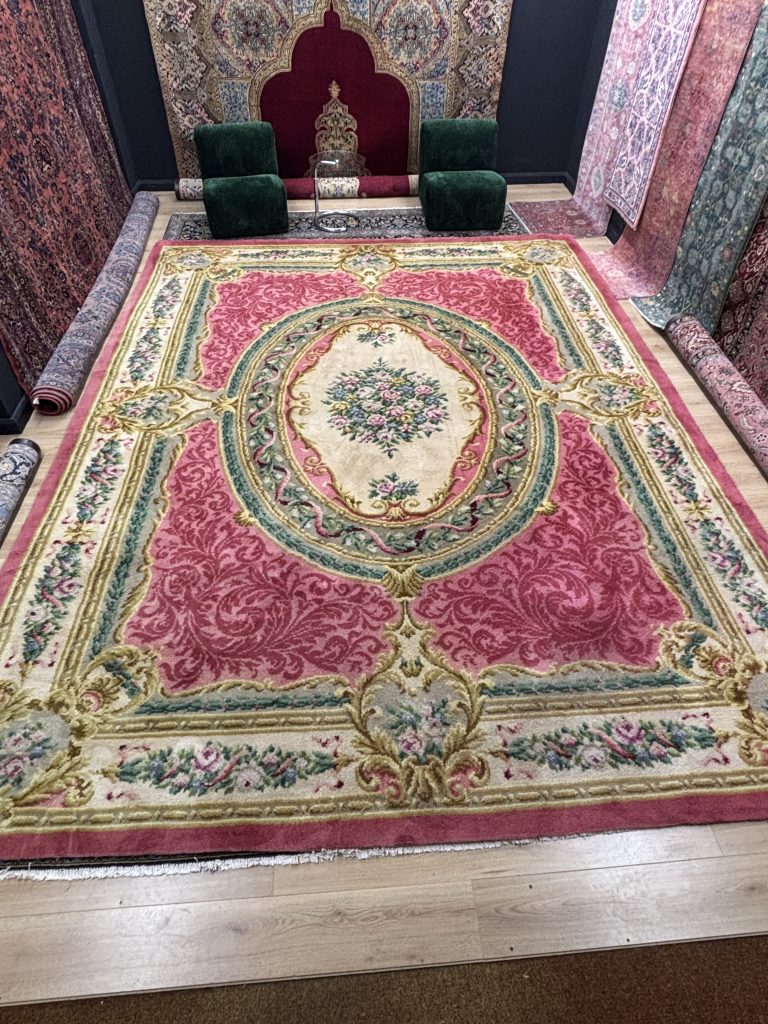
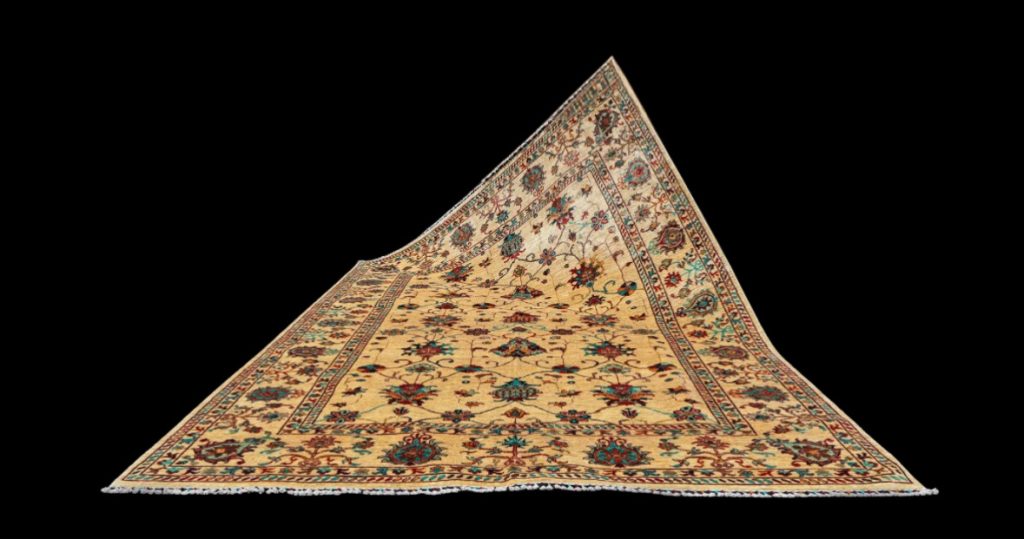
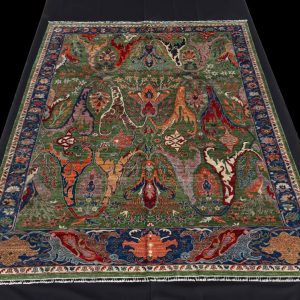
If you’re exploring different weaving styles, materials and designs, browse the Persian rug collection at Mayo Antiques, featuring distinctive hand-knotted pieces selected for their craftsmanship and character.
Selected from the collection
Persian Rugs
Why Mayo Antiques
Collected with knowledge. Chosen with confidence.
Discover characterful pieces with clear information and personal guidance from our Castlebar showroom.