
What Is Provenance and Why Does It Matter When Buying Antiques?
Provenance in antiques records ownership history and can influence authenticity, value and buyer confidence. Check the evidence before purchasing an antique.
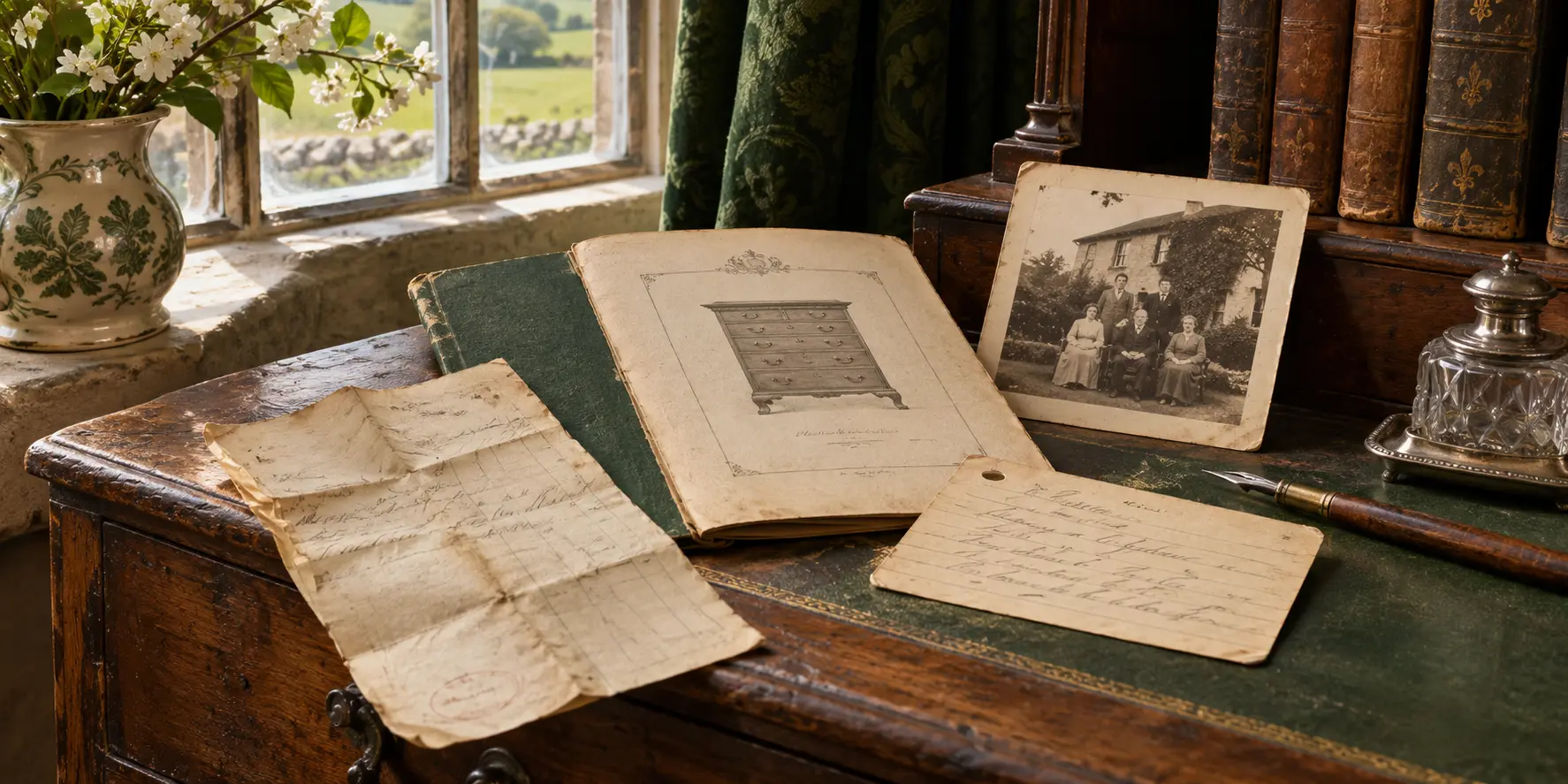
Provenance in antiques records ownership and origin, adding evidence that materials, construction and signs of age cannot provide on their own. These physical details do not always reveal who owned an object, where it came from or how it changed hands over the years.
Whether you are considering a piece of antique furniture, a painting or a collectible, understanding its provenance can help you make a more informed purchase.
What Does Provenance Mean in Antiques?
Provenance refers to the history of an object’s ownership, from its creation or earliest known records to its current owner.
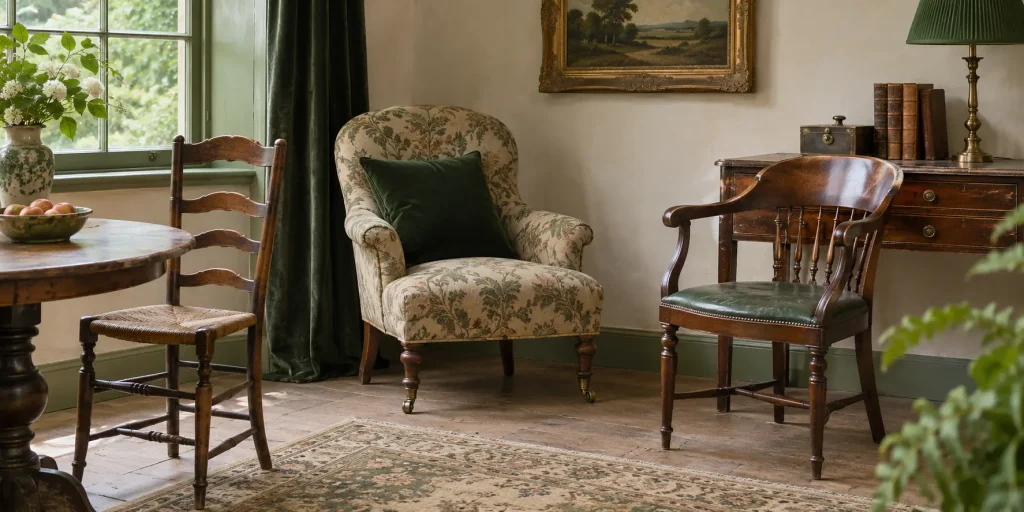
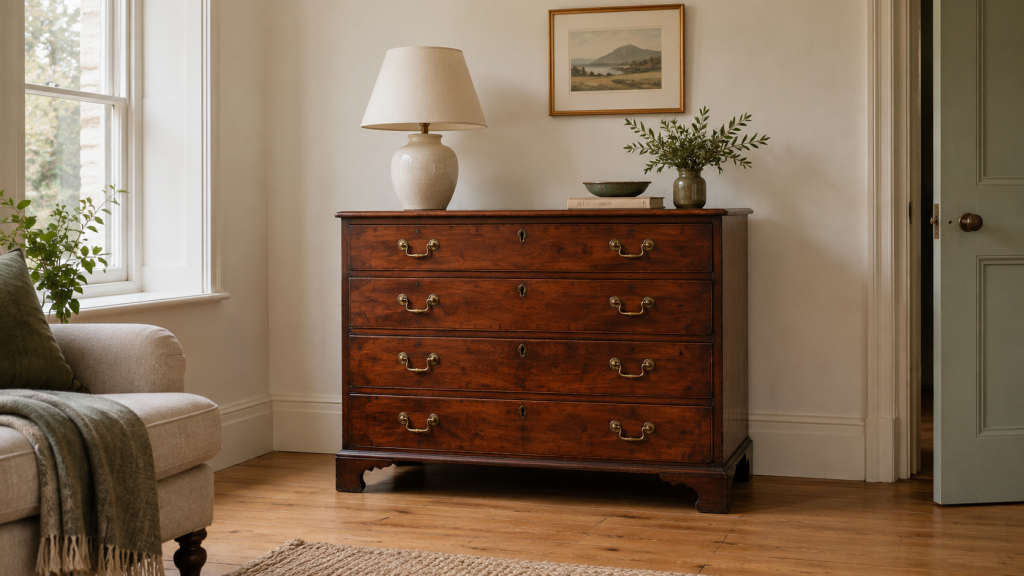
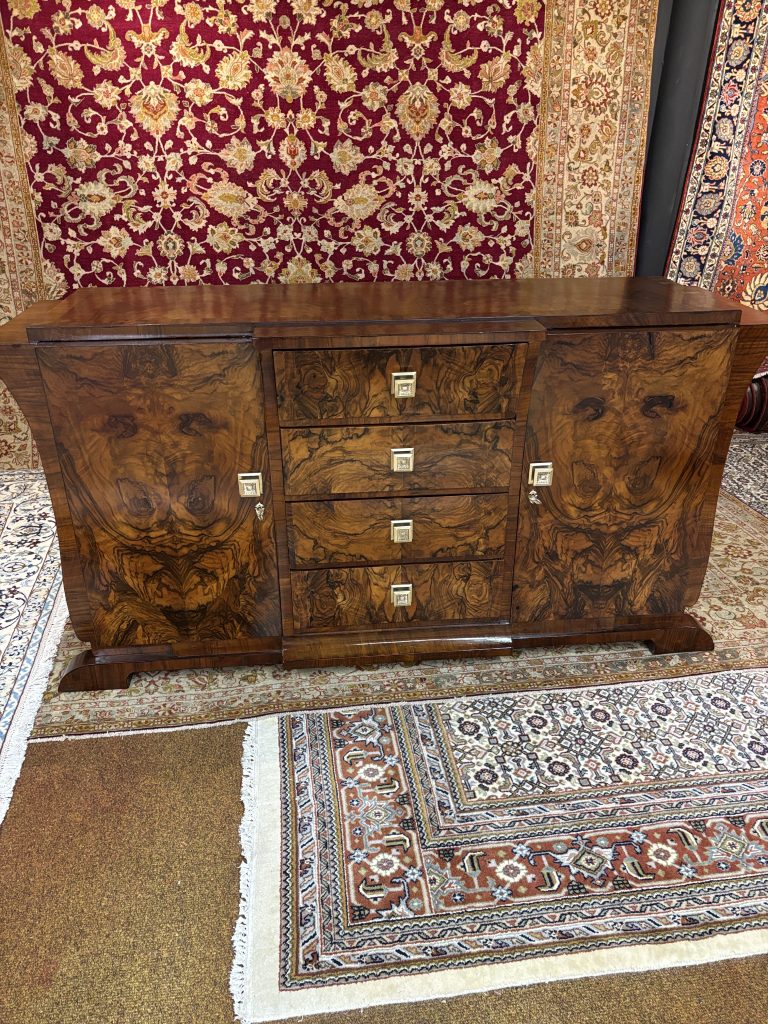
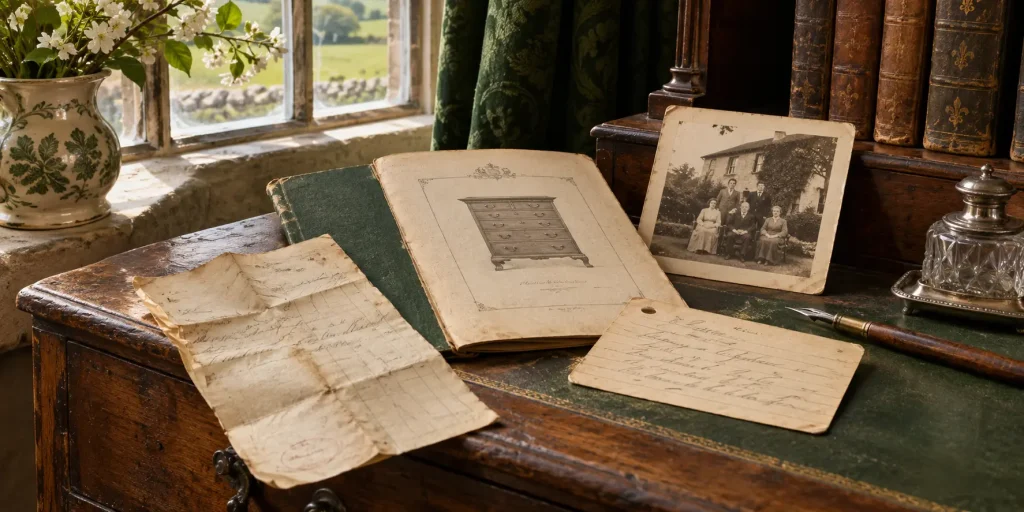
For example, an antique mahogany chest of drawers might have an original maker’s label, an old family photograph showing it in a particular house and an auction record documenting its later sale.
Together, these details help establish where the furniture has been and who previously owned it.
Provenance is different from authenticity. Authenticity concerns whether an object is genuinely what it claims to be. Provenance concerns its documented history. The two can support each other, but neither automatically proves the other.
Why Is Provenance in Antiques Important When Buying?
1. It Helps Establish Authenticity
An antique’s construction, materials and craftsmanship offer clues about its age and origin. Provenance provides additional evidence.
For instance, an auction catalogue from the 1970s featuring an identifiable piece of Georgian furniture can help establish that the object existed in its present form decades ago.
However, historical paperwork must match the actual object. An old receipt alone is not proof that a particular piece is genuine.
2. It Can Influence an Antique’s Value
Two similar antiques can have different market values depending on their condition, rarity, craftsmanship and documented history.
A piece with verified links to a notable collection, historic house or recognised maker may attract greater collector interest.
However, provenance does not guarantee a higher selling price. Its importance depends on the object and the strength of the supporting evidence.
3. It Helps Clarify Ownership History
Provenance can reveal when an object changed hands and whether questions about its ownership require further investigation.
This is particularly relevant to archaeological objects, culturally significant artefacts and pieces with potentially disputed histories.
Buyers should remember that provenance research supports due diligence but does not, by itself, establish legal title.
What Documents Can Prove an Antique’s Provenance?
Different records provide different levels of evidence.
| Document | What It Can Establish |
|---|---|
| Original purchase receipt | A previous sale, buyer or seller |
| Auction catalogue | An earlier sale and object description |
| Family photographs | The object’s presence in a particular household |
| Maker’s label or inscription | Clues about manufacture or earlier ownership |
| Estate inventory | Inclusion in a documented collection |
The strongest evidence identifies the specific object through details such as dimensions, distinctive markings, photographs or inventory numbers.
A general statement such as “from a private collection” is much weaker than a dated record linking the antique to an identifiable owner.
Can an Antique Be Genuine Without Provenance?
Yes. An antique can be authentic even when its ownership history is incomplete or entirely unknown.
Furniture may pass through several generations without anyone keeping receipts. Labels disappear, family records are lost and earlier sales may never have been documented.
A lack of provenance does not automatically mean an item is fake.
In such cases, specialists examine physical characteristics, including:
- Joinery, timber and construction techniques
- Tool marks and manufacturing methods
- Original finishes, wear and later alterations
- Design features associated with particular periods
For example, hand-cut dovetails may help assess an older chest of drawers, but they cannot independently establish its exact date or maker.
How to Check Provenance Before Buying an Antique
Before purchasing, ask the seller a few practical questions:
- What is known about its history? Ask where the item came from and whether previous owners are documented.
- Is there supporting paperwork? Request copies of receipts, auction records or relevant correspondence.
- Do the records match the object? Compare photographs, measurements, marks and descriptions.
- Are there unexplained gaps? Missing records are common, but contradictory information deserves closer examination.
- Can an independent specialist assess it? Expert examination may be worthwhile for expensive or historically significant pieces.
Keep copies of any paperwork with your purchase receipt. These records may be useful if you later insure, sell or pass the antique to someone else.
For additional ownership checks, the INTERPOL Stolen Works of Art Database is a useful reference. It also shows why provenance in antiques should be assessed alongside documentation, physical examination and professional advice.
Buying Antiques with Confidence
Provenance in antiques adds context, but it should never replace careful examination of condition, craftsmanship and authenticity.
At Mayo Antiques, collectors can explore distinctive antique furniture and antiques and collectibles. When considering a particular piece, ask about its available history, condition and supporting documentation.
An antique does not need a famous former owner to be worth appreciating. What matters is understanding what can be verified about the piece before you bring it home.
Selected from the collection
Antiques & Collectibles


Why Mayo Antiques
Collected with knowledge. Chosen with confidence.
Discover characterful pieces with clear information and personal guidance from our Castlebar showroom.